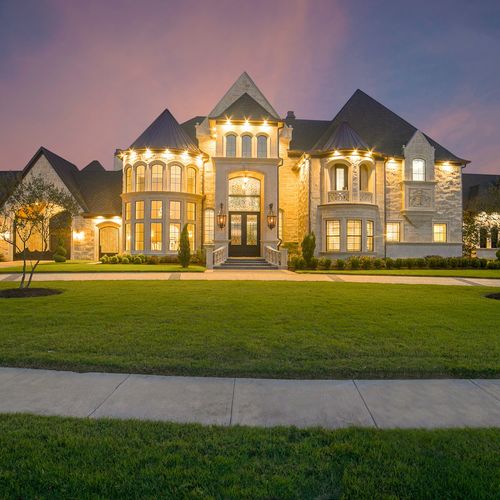


The hardest transaction in residential real estate is not buying your first home. It is buying your second one, because you are usually selling at the same time. Move-up buyers in the North Hills sit in a strange position: the home you are selling is likely in high demand, the home you want is in thinner supply, and the two transactions have to land in the right order without leaving your family briefly owning two houses or none. There is no single right way to sequence it, but there is a right way for your situation, and knowing the options before you list is what keeps the whole thing from becoming a scramble.
The Core Question: Sell First or Buy First
Everything in a move-up plan flows from this decision. Selling first gives you certainty. You know exactly what your current home brought, your buying power is a hard number instead of an estimate, and your offer on the next home is clean, with no sale contingency for a seller to frown at. The cost is housing risk on the other side: if the right home has not appeared by your closing, you are negotiating for extra time in your own house or arranging something temporary.
Buying first flips the risk. You secure the home you actually want, move once, and sell your old home empty or staged. The cost is financial: you need the ability to carry or bridge two properties for a stretch, and in a competitive situation, an offer that depends on selling your current home is weaker than one that does not. Neither answer is wrong. Financially conservative households tend to sleep better selling first. Households with strong equity and specific requirements for the next home, a particular school district, a particular community, often need to buy first because their target home appears rarely.
The Tools That Bridge the Gap
A handful of mechanisms exist to soften whichever risk you take on. A home sale contingency makes your purchase offer dependent on your current home selling, which protects you completely and weakens your offer proportionally, so it works best on homes with less competition. A rent-back, formally post-closing possession, lets you sell your home and stay in it for a negotiated period as the buyer's tenant, effectively buying you shopping time after banking your certainty. On the financing side, bridge loans and home equity lines can let you access your current home's equity for the next purchase before it sells, and some lenders now offer programs built specifically to let you buy before you sell. Each of these has real costs and qualification requirements, and the right structure depends on your equity, income, and timeline, so this is a conversation to have with a lender early, before you fall in love with anything.
The tool most people forget is the calendar itself. Closing dates are negotiable on both sides of your move. A well-negotiated gap between your sale closing and your purchase closing, or an overlap covered by a rent-back, solves the problem contractually without borrowing a dollar.
Why the North Hills Changes the Math
Here is the local reality that shapes every move-up plan I see. If your current home sits in a strong school district at an accessible price point, your sale side is the easy side. Well-priced homes in North Allegheny, Pine-Richland, and Seneca Valley move quickly because the buyer pool is deep, which means the timeline risk in your plan is rarely about whether your home sells. It is about finding the next one. Inventory thins noticeably as you move up in price, and the most desirable homes at the top of this market sometimes trade before they are broadly marketed. That asymmetry argues for getting your search fully prepared, financing, target communities, alert criteria, before you list, so that when your fast sale happens you are ready to act on the slow side.
It also means your equity position is probably stronger than you think, and it is worth knowing precisely. Start with a real valuation of your current home rather than an online estimate, because your entire plan hangs on that number. And if you are weighing whether to improve your current home instead of moving at all, I wrote about that fork in the road in add on or buy new.
Prepare the Sale Before You Shop
The strongest move-up position is a current home that is ready to list on short notice. That means the prep work, decluttering, the short list of improvements that actually return their cost, photos, happens before you start touring, not after you find something and the clock starts. I covered which projects genuinely move the needle in what actually adds value when selling, and the answer is shorter than most homeowners expect. A prepared home lets you respond to opportunity. An unprepared one turns every showing you attend as a buyer into a source of stress.
The Three Paths at a Glance
| Path | Best When | Watch Out For |
|---|---|---|
| Sell first, then buy | You want certainty and a strong, clean offer on the next home | Housing gap if the right home has not appeared; negotiate a rent-back |
| Buy first, then sell | Strong equity, and your target home is rare or specific | Carrying two homes; confirm bridge or equity financing early |
| Contingent purchase | Your target home has limited competition | Weaker offer strength in multiple-offer situations |
Sequencing Is the Whole Game
A move-up done well runs in this order: valuation and equity math, lender conversation about bridge options, sale prep completed, search fully defined, then list and shop in coordinated motion. A move-up done badly runs in the opposite order, falling for a house first and improvising everything else under deadline. The difference between the two is not luck or market conditions. It is preparation, and it is the part you control completely. If you are starting to think about trading up in the North Hills, reach out and we will map your specific sequence, including what your current home would bring and which communities fit where you are headed.
Check out this article next