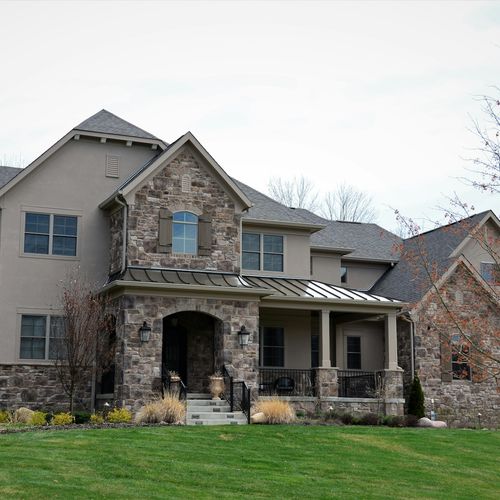

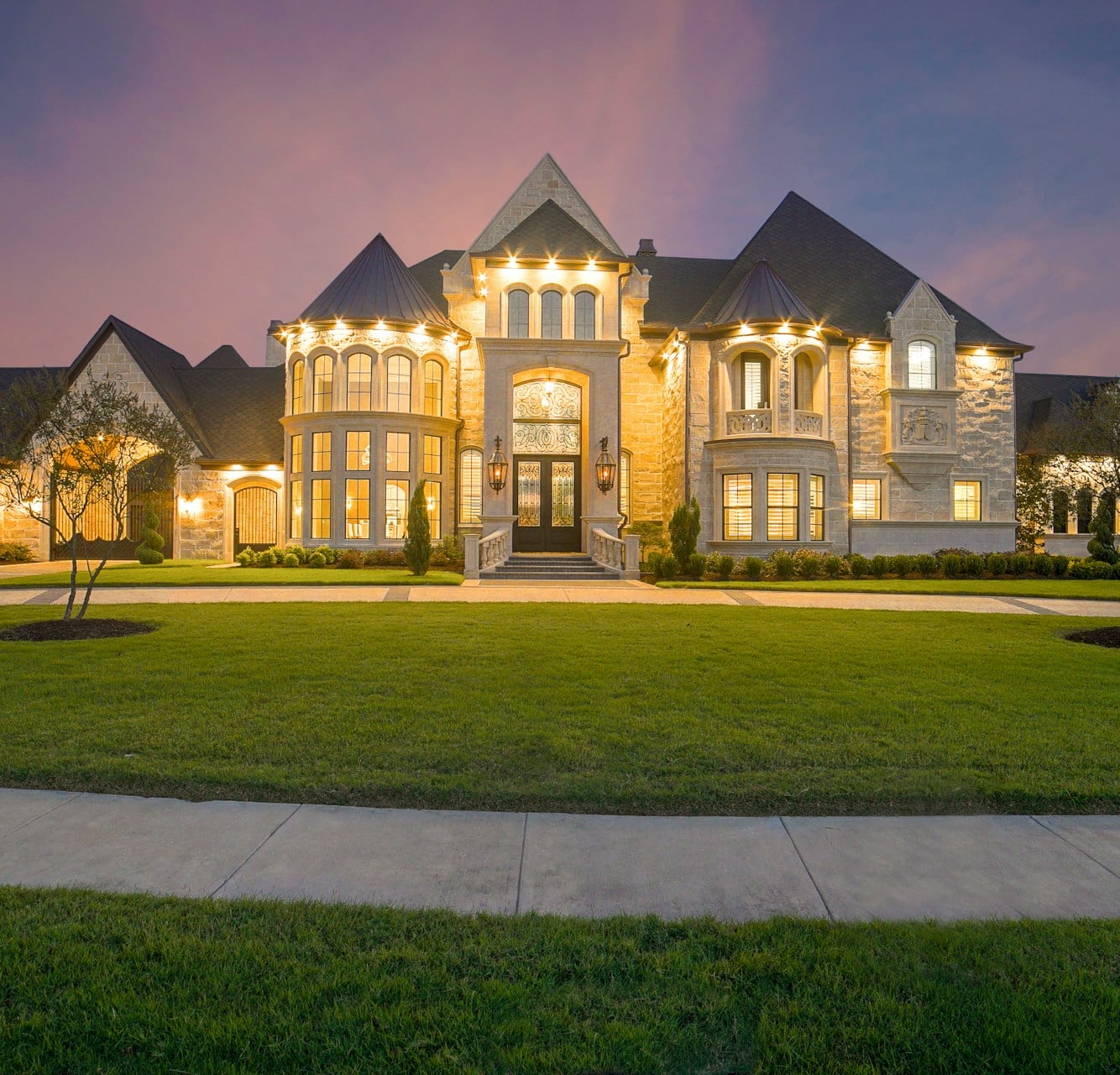
A million dollars means very different things depending on where you stand in the North Hills. In one township it buys a new custom build. A few miles away it buys an established home on wooded acreage, and in another direction it barely gets you through the gates of the region's most storied estate market. Price points are where luxury conversations get honest, so let me show you what the seven-figure line actually looks like across this market as of mid-2026, and why the same budget produces such different homes depending on which side of a township or county line you spend it.
The Shape of the Million-Dollar Market Up Here
Some context numbers first. As of this summer, the median listing in the Wexford ZIP sits in the mid $500s at roughly $250 per square foot, with well-priced homes going under contract in about three weeks. Cranberry Township's median listing runs just over $500K at a similar price per square foot. Against those medians, a million-dollar budget is roughly double the typical home in the corridor, which is exactly what makes this tier interesting: you are shopping above where most of the market lives, in a segment with far fewer listings at any given moment.
That thinness cuts both ways. As a buyer you have limited choices in any given month and the best ones attract serious attention. As a seller you face few competing listings but a smaller, more discerning buyer pool. And at this tier, the county line and the school district boundary do more work than at any other price point, because when homes are otherwise comparable, carrying costs and resale audience become the tiebreakers. My Butler County property tax guide covers why the same budget stretches differently across that line.
What a Million Buys, Market by Market
Using the corridor's going rate of roughly $230 to $250 per square foot as a yardstick, a million dollars translates to somewhere around 4,000 square feet of house, before the land, the finishes, and the address adjust that number up or down. Here is how it plays out across the communities luxury buyers actually shop.
In Adams Township and Cranberry, a million dollars shops the new and near-new construction market: large custom and semi-custom homes in the townships' upper-end plans, where Butler County's tax structure quietly stretches the budget further than the identical spend across the county line. This is the part of the market where seven figures buys the most modern house, and I covered how that world works in my guide to luxury new construction in North Pittsburgh.
In the North Allegheny and Pine-Richland corridor, Marshall, Pine, and Franklin Park, the same million buys established executive homes in the district-driven heart of the market. You are often trading a few years of vintage for mature landscaping, settled streets, and the deepest resale pools in the region. This is also where competition at the tier is most reliable, because district demand puts a floor under everything. Start with what to know before buying in Wexford for how those townships sort out.
In Treesdale and the golf community segment, a million lands you in the upper portion of the community: larger custom homes, premium lots, and fairway settings, with the club and its Arnold Palmer course as the lifestyle centerpiece and the street-by-street district split as the homework. My Treesdale buyer's guide walks through all of it.
For acreage buyers, a million dollars in Pine, the edges of Marshall, or Bradford Woods typically means an established home with real land, often an acre or more under mature trees, where a growing share of the price is the parcel itself. I wrote about the purest version of that market in my guide to buying a home in Bradford Woods, and it is the thinnest inventory of any category here.
And then there is Sewickley, which is the honest reality check in this post. In the village, a million dollars buys a beautiful historic home well above the borough's median. But up in Sewickley Heights, typical home values run around $1.4 million and the current crop of listings starts just above the million mark, which means the budget that dominates every other market in this post is roughly the price of admission there. That is not a knock on the budget. It is a measure of what a century of estate pedigree does to land values, and it is why Sewickley anchors the top of the regional market.
At a Glance: The Same Budget, Five Different Homes
| Market | Around $1M Typically Means |
|---|---|
| Adams / Cranberry | New or near-new custom and semi-custom homes in upper-end plans |
| Marshall / Pine / Franklin Park | Established executive homes in the strongest district-driven markets |
| Treesdale | The community's upper tier: larger customs, premium and fairway lots |
| Acreage properties | An established home on an acre or more, land carrying real weight in the price |
| Sewickley Heights | Entry to the market; typical values run well above $1M |
Based on market conditions as of mid-2026. Inventory at this tier changes weekly, so treat these as orientation, not appraisal.
The Lines That Move the Number
Whatever the inventory looks like in any given week, three boundaries consistently explain why similar homes carry different prices at this tier. The school district boundary is the biggest: the deep buyer pools of North Allegheny, Pine-Richland, and Seneca Valley support stronger pricing, and homes just outside those lines often deliver noticeably more house for the same money. The county line is second, since the tax difference between an Allegheny and a Butler parcel compounds every year of ownership and buyers at this tier absolutely price it in. The third line is subtler: the boundary between communities with associations and amenities and properties that stand alone, because a million dollars in a club community buys a lifestyle package, while the same million on a private lane buys land and autonomy, and those attract different buyers at resale. If you have read my breakdown of what commands price premiums in Pittsburgh North, this is those forces concentrated at the top of the market.
How to Shop at This Number
Buying at the million-dollar line in the North Hills rewards a specific posture. Decide your non-negotiables before you tour, because thin inventory means imperfect trade-offs, and the families who buy well are the ones who knew in advance which imperfections they could live with. Get underwritten, not just pre-approved, because certainty is currency in every competitive situation at this tier. And watch the market continuously rather than episodically, since the home you want may be listed for only days, or may change hands before it is broadly marketed at all. If you want to see what your budget genuinely reaches this month, across every line described above, reach out and I will build you the real-time version of this post for your exact number. And if a sale funds the purchase, start with a valuation of your current home.
Check out this article next