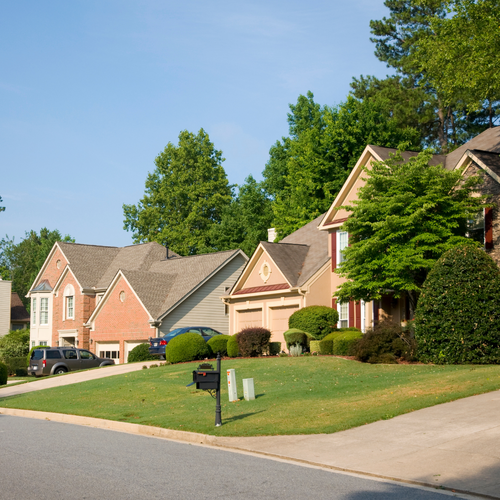

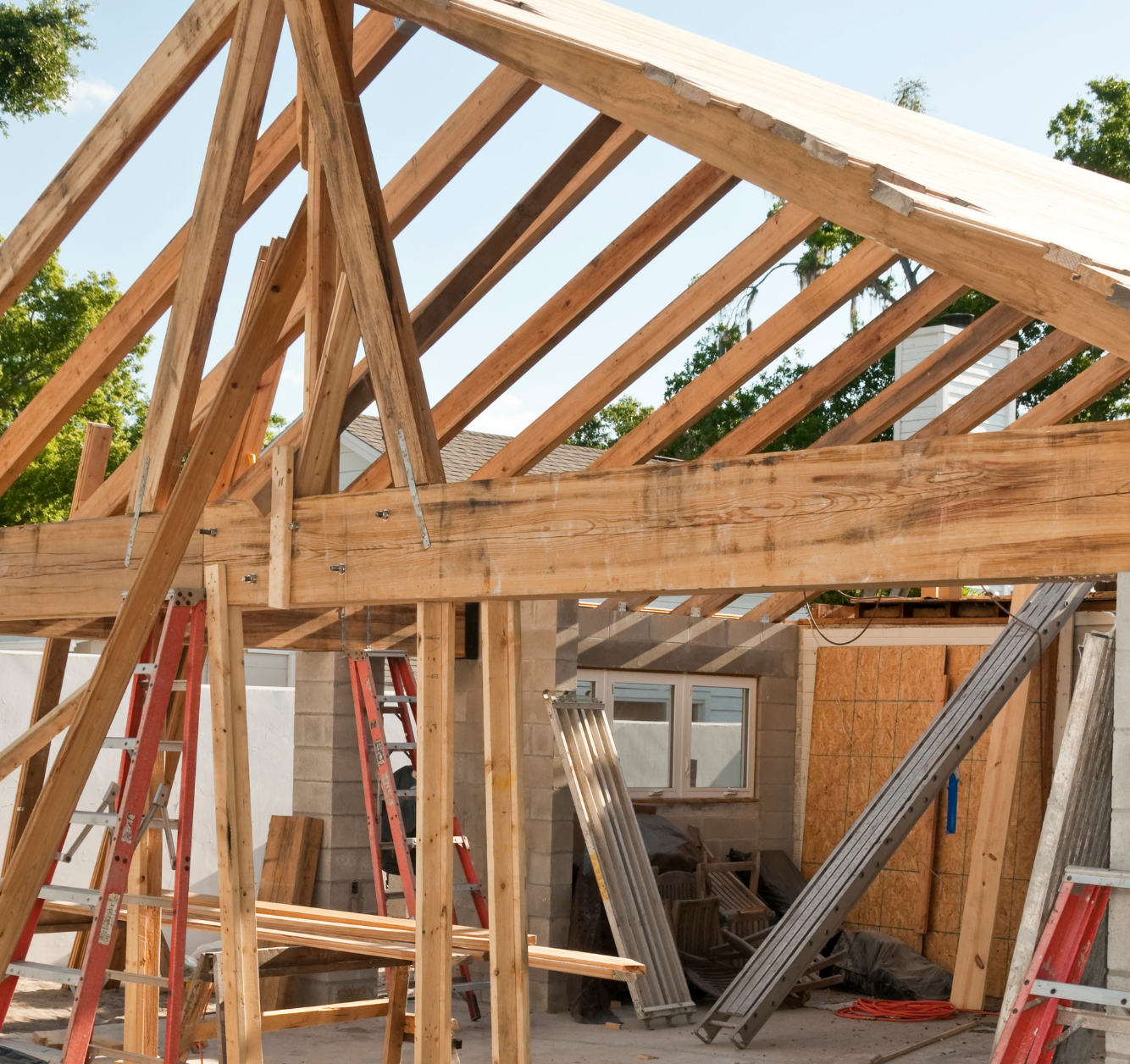
A lot of homeowners in the Pittsburgh north suburbs are having the same conversation right now.
“We love our neighborhood.”
“But we need more space.”
“Could we just add on?”
“Would it make more sense to buy something new?”
And honestly, it is a much more complicated question than it used to be.
Home prices have gone up. Interest rates are higher than many homeowners are used to. Moving does not feel as easy as it may have felt the last time you bought a home. If you are sitting on a lower mortgage rate, it can feel almost irresponsible to think about giving it up.
So the idea of adding on starts to look very tempting.
Keep the house. Keep the neighborhood. Keep the rate. Add the space.
On paper, that can sound like the responsible choice. But in real life, the math and the lifestyle pieces are not always that simple.
For homeowners in Cranberry Township, Wexford, Mars, Gibsonia, Adams Township, Pine Township, Richland, and the North Hills, the real question is not just, “What would the addition cost?”
The better question is this:
Are we adding on because this house can truly work long-term, or are we trying to preserve the parts that feel safe?
That is where this decision gets interesting.
Why So Many Homeowners Are Considering Adding On
When your house starts to feel tight, the problem is usually real.
Maybe you need another bedroom. Maybe your work-from-home setup has become a laptop on the dining room table and a prayer. Maybe the basement is unfinished, the kitchen is too small, the entry is constantly exploding with backpacks and shoes, or the yard no longer fits the life you are living now.
You may not hate your home. You may not even want to move.
You may just need the house to keep up.
But because buying another home in the Pittsburgh area can feel more expensive than it did a few years ago, staying put can feel safer. Especially if you already have a mortgage payment that works for your budget.
That is why so many homeowners start thinking about a home addition.
A family room. A bigger kitchen. A finished basement. A primary suite. A mudroom. A garage bay. A home office. The list usually begins innocently, then slowly starts growing legs and demanding custom cabinetry.
Before you call the contractor, it is worth looking at the full picture.
Staying Put Still Comes With a Price Tag
Adding on is not automatically the cheaper option.
Construction costs have climbed. Labor is expensive. Materials are expensive. Permits, architectural plans, engineering, mechanical changes, rooflines, drainage, finishes, and timelines all matter.
And then there is the little phrase that quietly ruins renovation budgets everywhere:
“While we’re at it…”
While we’re at it, maybe we should update the kitchen.
While we’re at it, maybe we should replace the flooring.
While we’re at it, maybe we should redo the patio.
Suddenly the “simple addition” is not so simple.
For Pittsburgh suburban homeowners, especially in established neighborhoods where lots, grading, setbacks, and existing floor plans vary widely, the cost to add on can get very real, very fast.
That does not mean adding on is wrong. It means it deserves the same level of strategy you would give to buying your next home.
The Strongest Case for Adding On Is Location
There are absolutely times when adding on makes sense.
The strongest case is usually location.
If where you live is the part you truly cannot recreate, adding on may be worth serious consideration.
Maybe you have the perfect lot. Maybe your street is quiet and private. Maybe your kids have best friends next door. Maybe you are in the exact school district you want. Maybe the commute works beautifully. Maybe you have a view, walkability, mature trees, or a setting that would be nearly impossible to find again.
In those cases, the question becomes less about whether adding on is the cheapest path.
It becomes:
Is this location special enough to justify the cost, mess, and resale risk?
Sometimes the answer is yes.
If the house has a layout that can be improved cleanly, the lot supports the addition, and the finished home will still make sense for the neighborhood, renovating may be the right move.
But location has to be genuinely irreplaceable, not just familiar.
There is a difference.
More Square Footage Does Not Always Mean a Better House
This is where additions can get tricky.
Sometimes a home addition solves one problem while leaving the real frustrations in place.
You get a bigger house, but the kitchen is still awkward.
You add a bedroom, but the main living space still feels tight.
You finish the basement, but the daily entry still has no real storage.
You build off the back, but the yard becomes too small or oddly shaped.
You add square footage, but the floor plan starts to feel patched together.
More space only helps if the home lives better.
That is the piece homeowners sometimes miss when they are focused on the number of bedrooms, the size of the kitchen, or the added square footage.
A home can become bigger without becoming more functional.
And if the house still does not flow well after the renovation, you may have spent a lot of money to stay in a home that still frustrates you.
Home Additions Can Create Resale Problems
Even if you are not planning to sell tomorrow, resale should still be part of the conversation.
In the Pittsburgh north suburbs, buyers care about layout, condition, lot quality, neighborhood, school district, and whether the home makes sense compared to nearby properties.
An addition can be beautiful and still create a resale problem if the finished house feels overbuilt for the street, awkwardly expanded, or priced beyond what buyers expect in that location.
That is especially important in areas like Cranberry Township, Wexford, Mars, Gibsonia, Pine Township, Richland, Adams Township, and the North Hills, where buyers often compare homes across several nearby communities.
If your finished home becomes significantly more expensive than the surrounding homes, future buyers may not fully pay you back for the money you put in.
And no one wants to spend a small fortune creating a house that later makes buyers tilt their heads and whisper, “Wait, why is this laid out like this?”
Your Interest Rate Is Not the Whole Story
I know you love your interest rate. I really get it.
A lower mortgage rate can make staying feel like the only responsible option. Nobody is eager to trade a comfortable payment for today’s mortgage math.
But your rate is not the whole story.
You may have more equity in your current home than you realize. That equity could make buying your next home more doable than you assumed.
For many homeowners in the Pittsburgh suburbs, especially those who bought before the most recent run-up in home values, the amount of equity sitting in the current home can be surprisingly powerful.
Equity can affect your down payment, your loan amount, your monthly payment, and your ability to move into a home that already has the space, layout, yard, and location you want.
Before you decide you are stuck, run the full numbers.
Not just the interest rate.
Not just the purchase price.
Not just the renovation estimate.
The full picture.
Sometimes the Better Version Already Exists
This is the part homeowners often do not realize until they start looking.
Sometimes the thing you are trying to build onto your current house already exists somewhere else.
The bigger kitchen.
The finished basement.
The real home office.
The flatter yard.
The extra garage bay.
The main-floor guest space.
The better storage.
The neighborhood that fits your life now.
For some homeowners, buying those things already done is cleaner, less disruptive, and more financially sensible than trying to force the current house to become something it was never really built to be.
This is especially true when the current home has layout issues that an addition will not fully solve.
If you are already planning to spend a significant amount of money, it is worth asking whether that money is better spent improving the house you have or moving into a home that already solves the problem.
How to Compare Adding On vs. Buying New
Before you decide to renovate or relocate, compare both paths clearly.
You need to understand:
What could your current home sell for now?
How much equity do you have?
What would your next monthly payment look like?
What would the addition actually cost?
Would you need temporary housing during construction?
Would the finished home make sense for the neighborhood?
Would buyers pay for the improvements later?
What homes could you buy instead?
How much stress and disruption are you willing to live through?
Would the renovated home truly fix the way your family lives day to day?
This is not just a math problem. It is also a lifestyle decision.
But the lifestyle decision gets a lot easier when you have real numbers.
So, Should You Add On or Buy a New House?
The answer depends on your house, your location, your equity, your budget, your tolerance for renovation chaos, and what you are actually trying to solve.
Adding on may make sense if your location is irreplaceable, the lot and layout support it, and the finished home will still make sense for the neighborhood.
Buying new may make more sense if the renovation is expensive, disruptive, unlikely to solve the real problem, or likely to create a home that feels awkward or overbuilt later.
The goal is not just more space.
The goal is a home that fits the way you live now, and the way you want to live for the next several years.
If you are trying to decide whether to add on or buy a new home in Cranberry Township, Wexford, Mars, Gibsonia, the North Hills, or the greater Pittsburgh north suburbs, the best first step is to run both paths.
What can you sell for?
What can your equity do?
What could you buy?
What would it cost to stay?
And most importantly, which option gives you a better daily life without creating a bigger problem later?
That is the real decision.
Ready to Compare Your Options?
Before you pour money into an addition, it is worth stepping back and comparing both paths clearly.
What could your current home sell for?
How much equity do you have?
What would your next monthly payment look like?
What would it cost to stay and renovate?
What could you buy instead?
This is exactly the kind of decision where a little strategy upfront can save you from a very expensive “well, we should have thought about that sooner.”
If you are trying to decide whether to add on, renovate, or buy a new home in Cranberry Township, Wexford, Mars, Gibsonia, the North Hills, or the greater Pittsburgh north suburbs, I would be happy to help you talk through your options.
Contact me here to start the conversation.
You can also access my Move-Up Buyer’s Guide HERE, which walks through the major financial paths homeowners can take when buying their next home, including selling first, buying first, using equity, bridge options, and planning the timing of your move.
Check out this article next