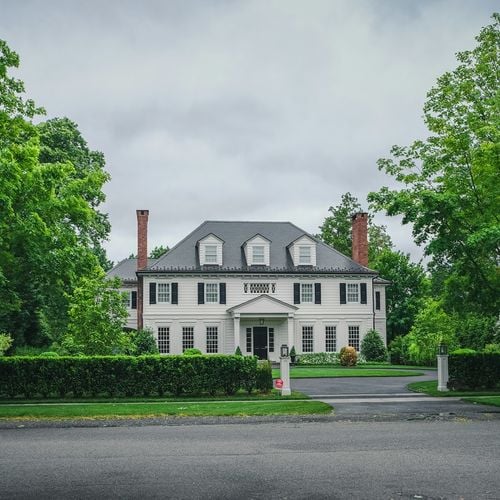


Corporate relocation buying is its own discipline. The budget is larger, the timeline is shorter, and the decisions that most buyers spread across six months get compressed into a house-hunting trip or two, often while you are still working full time in another city. I wrote a general guide to relocating to Pittsburgh's North Hills that covers the landscape for every budget. This one is for the executive version of that move: what changes when the price point is higher, the clock is faster, and getting it wrong is expensive in both money and family disruption.
Why Executive Relocations Land North
The northern suburbs absorb a large share of Pittsburgh's executive relocations, and the logic is practical. The Cranberry corridor is a genuine employment center in its own right, anchored by business parks including Cranberry Woods, Cranberry Business Park, and Thorn Hill, which means many relocating professionals are commuting to the North Hills, not through them. Marshall Township carries a major employment center inside its own borders. Downtown Pittsburgh runs roughly twenty to thirty minutes down I-79 and I-279 in normal traffic, and the airport is generally around a half hour from the Cranberry area, which matters more to executives than almost any other buyer group. Layer the school districts on top, North Allegheny, Pine-Richland, and Seneca Valley all rank among Western Pennsylvania's strongest, and you get the combination relocating families are actually optimizing for: career access, schools, and housing stock at the executive level, all in one corridor. I wrote more about why relocating buyers so often choose the suburbs over the city if you are still weighing that question.
The Compressed Timeline Is the Real Challenge
Most relocation buyers get one or two trips to find a home, and everything about a good outcome depends on what happens before those trips. The work that has to be done in advance: financing fully underwritten, not just pre-qualified, because at this price point sellers weigh certainty heavily. Target communities narrowed to a shortlist, so trip days are spent deciding rather than orienting. And the single biggest trap in this market defused ahead of time: up here, your school district is determined by the municipality a home sits in, not by its ZIP code or the town name on the listing. A Wexford address can be North Allegheny or Pine-Richland depending on the township. A Gibsonia address can fall in any of several districts. Relocating families burned by this find out after the moving truck leaves, so verify the district on the county parcel record for every home on your list before you tour it. My North Allegheny buyer's guide explains how the region's largest district is actually structured, including details transferring families rarely expect.
Remote steps have gotten easier, video tours, electronic signing, and remote closings are all normal now, but I will be honest with you: at the executive price point, do not buy a specific house you have never walked. Use remote tools to eliminate, then spend your in-person time only on finalists.
Matching the Search to What You Are Optimizing For
Executive relocations succeed when the family names its real priority and lets that drive geography. The corridor offers genuinely different answers depending on what leads.
| If Your Priority Is | Start Your Search In | School District |
|---|---|---|
| Top-ranked schools with executive housing | Marshall, Pine, Franklin Park | North Allegheny or Pine-Richland |
| A brand-new or custom home | Adams Township, Cranberry Township | Mars Area or Seneca Valley |
| Privacy, trees, and land | Pine, Marshall edges, Bradford Woods | Pine-Richland or North Allegheny |
| Walkable village life with estate pedigree | Sewickley | Quaker Valley |
| Shortest path to office, airport, and amenities | Cranberry Township, Franklin Park | Seneca Valley or North Allegheny |
Two of my earlier guides go deeper on the first and last rows: what to know before moving to Cranberry Township and what to know before buying in Wexford.
Working With a Relocation Package
If your employer's package includes relocation benefits, read the fine print before you make any housing decision, because the program's rules can shape your options. Some packages route your purchase or sale through a relocation management company with its own required processes and paperwork. Some include temporary housing benefits that take the pressure off your timeline entirely, and using sixty or ninety days of temporary housing to search properly is often the smartest money in the whole move, especially in a market where the best executive homes appear irregularly. Some packages also include home sale assistance on the departure side, which affects how you sequence the two transactions. None of these benefits are standardized between employers, so the practical advice is simple: get the full policy in writing, share it with your agent and lender early, and build the plan around what it actually says rather than what a colleague's package said at a previous company.
Run the Move Like a Project
The executive relocations that go smoothly all share the same shape: priorities named, district lines verified, financing certain, shortlist built remotely, in-person days reserved for finalists, and every deadline mapped against the start date at the new role. That is project management, and it happens to be how I run relocation searches. If you are relocating to the Pittsburgh area and the North Hills is on your radar, get in touch and tell me your timeline and your priorities, and I will send you a shortlist worth your first trip. For a broader orientation to the region before that conversation, my free Moving to Pittsburgh guide is the place to start.
Check out this article next