
A buyer told me last month she wanted “something quiet, like Cranberry.” We were standing at a closing on Route 228, two minutes from the busiest stretch of road in Butler County.
That misconception is where most Cranberry Township research starts. People hear “township” and picture something rural. They search homes for sale in Cranberry Township PA expecting a smaller version of Mars Borough or Adams. What they find instead is a community of more than 30,000 people, one of the largest corporate footprints north of Pittsburgh, and a stretch of 228 that handles more daily traffic than parts of the Parkway.
That is not a complaint. It is the trade, and it is worth understanding before you start writing offers.
What Cranberry actually is
Cranberry Township sits inside Butler County. Not Allegheny. That distinction matters more than buyers expect once they look at property taxes and school funding.
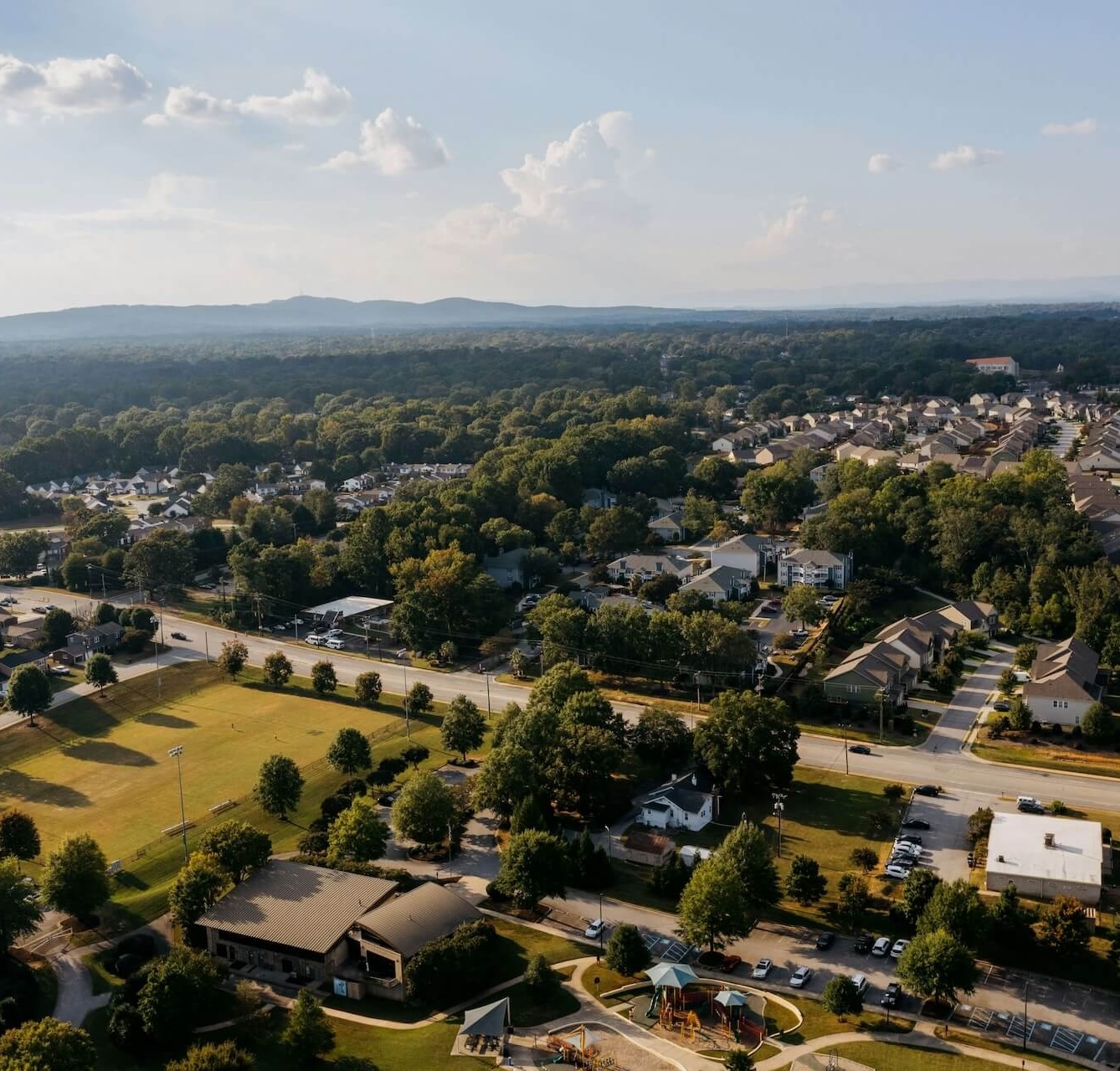
The Township is large, mostly residential, and anchored by a dense commercial corridor along Route 228. The Cranberry Woods corporate park on the north side is home to Westinghouse, MSA Safety, and a long list of smaller offices that pulled families out of the city over the last fifteen years. A lot of my buyers work in Cranberry and live in Cranberry, and the internal commute is sometimes ten minutes, sometimes a left turn off Powell Road. If your job is in that corporate park, you can live in this Township and almost never get on the highway during the week.
That changes how to think about the move. Cranberry is not just a bedroom suburb for downtown commuters. For thousands of households here, this is the work hub.
How Cranberry compares to the rest of the North Hills
Most of my buyers have three or four communities on their shortlist when we start. Here is the honest at-a-glance comparison.
| Community | School District | Best for | The trade-off |
|---|---|---|---|
| Cranberry Township | Seneca Valley | Housing variety, corporate access, everything within 5 minutes | Route 228 traffic, more transient community |
| Marshall Township | North Allegheny | Established North Hills character, top-tier NA schools | Smaller scale than Cranberry, less concentrated commercial |
| Pine Township | Pine-Richland | Larger lots and more residential character, top-tier Pine-Richland schools | Longer internal drives, less commercial density |
| Adams Township | Mars Area | Acreage, rural character, Treesdale | Less infrastructure, longer daily drives |
If you are choosing between Cranberry and one of these neighboring townships, you are really choosing between school district fit and how much commercial convenience you want. Cranberry gives you the densest commercial corridor and a large, well-resourced school district. The others offer different school districts, more residential character, and smaller commercial footprints. Neither is automatically better. They are different products serving different families.
Schools, traffic, and daily life
Cranberry Township is entirely in Seneca Valley School District, one of the largest in Pennsylvania. The senior high alone has more students than some entire small districts. The reputation is strong and the program offerings are deep across academics, arts, athletics, and trades. The honest trade-off is the size itself. A shy kid can disappear in a building that big, and parents have to be more intentional about staying connected. One thing to be clear about, because buyers conflate them constantly: Seneca Valley is not Mars Area, North Allegheny, or Pine-Richland. If you specifically want one of those other top-tier North Hills districts, you are looking at the comparison table above, not at Cranberry. If you are a parent comparing North Pittsburgh school districts more broadly, my Mom’s Guide to the North Pittsburgh Suburbs goes deeper on how each one actually feels day to day.
Route 228 between I-79 and Freedom Road is the spine of daily life here. Almost every grocery run, school pickup, and dinner out happens on or near it. From 4 PM to 6 PM on a weekday, it crawls. If you commute to downtown Pittsburgh, your real pinch point is not the highway. It is the stretch of 228 between your neighborhood and the I-79 onramp. Anyone who tells you the traffic is no big deal does not actually drive here. Once you adjust (Saturday morning grocery runs, dinner before 5 or after 7, errand stacking) it becomes background.
What you get in return is convenience. Cranberry is one of the few suburbs north of Pittsburgh where you genuinely do not have to leave the area for anything. Major grocery, big box stores, restaurants from chain to upscale, medical, dental, urgent care, a real public library, an active parks system, and youth sports programs that feel like a part-time job for parents. The trade is walkability. Cranberry is car-first. Sidewalks exist, but they are not why anyone moves here.
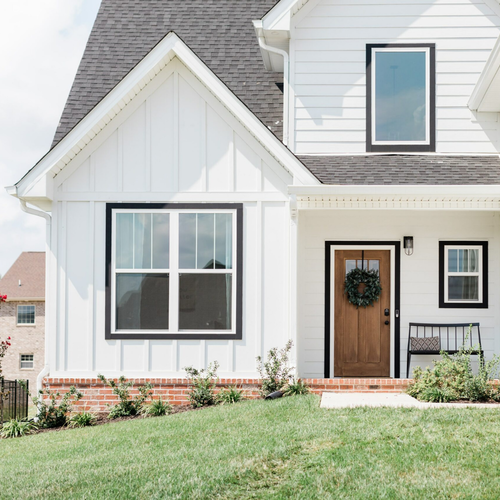
The housing stock is more varied than people expect. Established 1980s and 1990s neighborhoods with mature trees and mid-sized lots. A second wave of 2000s subdivisions with bigger square footage. New construction still going up in several active sections. Plus a meaningful inventory of townhomes, condos, and patio homes. The practical effect is that you should not start your search by sorting Zillow on price. Start by figuring out which era of Cranberry house fits the life you actually live, because a 1988 colonial and a 2019 farmhouse are fundamentally different decisions, even on the same street.
Two other things worth knowing. Property taxes are reasonable for what you get, though the Seneca Valley millage is the dominant line item. The Township government itself runs unusually well, which becomes obvious within the first month of living here. Permits, code enforcement, parks, and snow response all operate at a higher level than most surrounding municipalities.
Who Cranberry is right for
Living in Cranberry Township works well if you want a large, well-resourced school district, real housing variety, the convenience of having everything within five minutes, easy access to corporate Cranberry, and a Township that takes services seriously. It works less well if you want a walkable neighborhood with a real downtown feel, a small intimate school where every teacher knows every kid by sight, or quiet rural acreage. If you are torn between Cranberry and one of the smaller communities on the table above, the right answer is almost always about lifestyle and school size, not square footage.
If you want to actually look
I work this Township every week and I cover the North Hills and Mars Area sides just as closely. As a real estate agent in Cranberry Township, I can pull listings that match what you actually want, including the ones that look great in photos but are not worth your time in person, and the ones that scroll past easily online but absolutely are. (412) 980-5654, or send a note through the contact form on this site. I respond personally, usually the same day. If you would rather start with a written overview before reaching out, my Moving to Pittsburgh guide covers a lot of what relocating families need to know about the area.